Fust Survival Monument Loot Guide
Outpost, Military Crates, Dome, oil rig, harbor, and community-reported routes — with bag staging and bank habits.
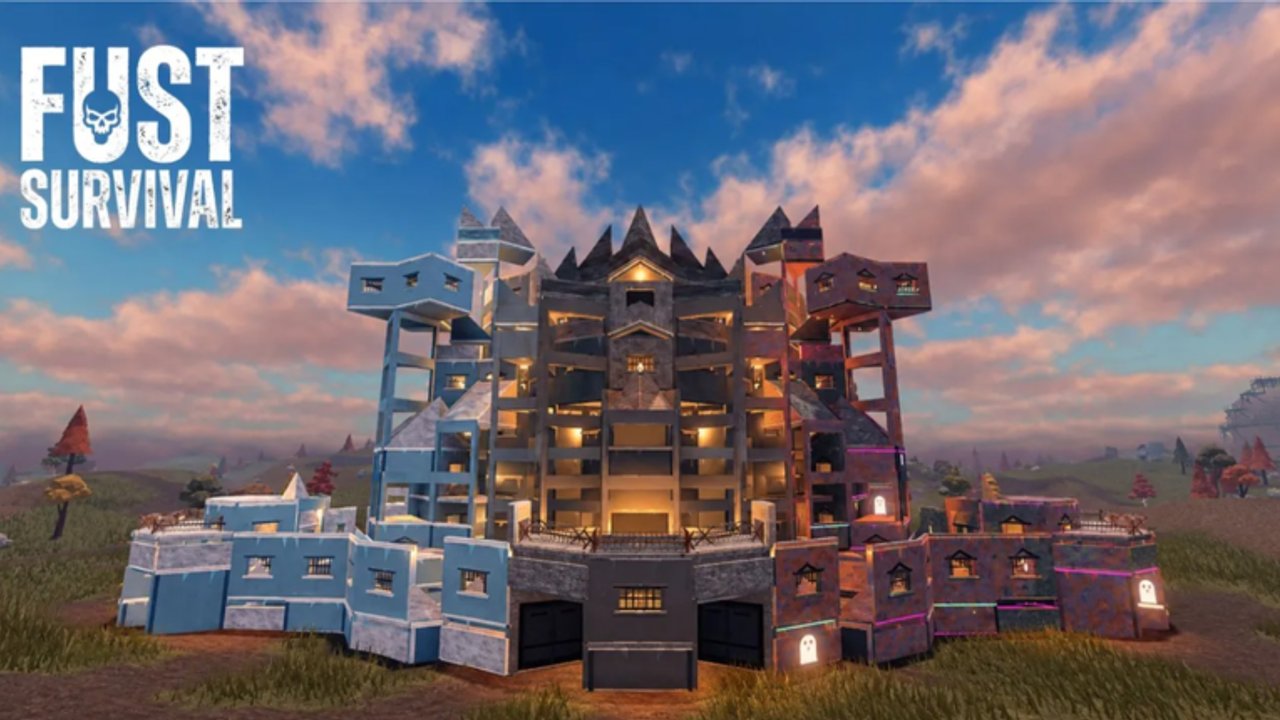
Monuments are how Fust Survival players spike kits faster than pure tree chopping — and how 100-player servers delete careless inventories. This guide covers practical loot thinking for Outpost, Military Crates, Dome, oil rig, harbor, community-reported airfield / bunker mentions, bag staging near monuments, and why banking beats greed. It does not invent crate tables Jimma Studios has not stabilized; early access / alpha (since October 3, 2026) can retune spawns. Cross-link solo survival, fast progression, and resource gathering so monuments stay accelerators, not wipe enders.
Prerequisites before you tour POIs
If you still lack a Key Locked door, Tool Cupboard, sleeping bag, and basic stone tools, skip this page and finish getting started. Monument loot on a naked beach life funds someone else’s Workbench 1.
Minimum kit for serious loot runs:
- Sleeping bag at home under TC privilege
- Optional second bag staged near the monument approach
- Stone Pickaxe / Hatchet for nodes on the walk
- Empty pocket space — death drops carried items
- Enough awareness to leave when a zerg arrives
Fast wipe players often hit monuments only after furnace and Workbench 1 — see fast progression and furnace smelting.
Outpost and the recycler loop
Outpost is frequently reported as a safer-feeling industrial stop when population allows. The headline habit is the recycler loop: turn junk components into usable materials without relying only on home smelting for every scrap pile.
How to run Outpost intelligently:
- Arrive light. Recycle what you picked on the path or from nearby junk, then leave.
- Treat Outpost as contested social space on high-pop hours — “safe” is relative on a 100-player server.
- If gunfire is already stacked, skip. Nodes still exist; your TC still needs wood.
- Bank recycler output at home under Key Lock before you chain a second POI.
Recycler loops complement the furnace; they do not replace charcoal burns or metal ore smelts for Workbench 1 fragments.
Military Crates — high spike, high heat
Military Crates are the classic kit spike. Players hunt them to skip slow clothing and weapon crafts after Workbench gates.
Rules that keep Military Crate runs net-positive:
- Clear audio before you commit to a long open loot animation mindset.
- Never open a crate while overweight with sulphur or gun powder.
- Take the upgrade that changes your next fight; leave trash if footsteps are close.
- Assume a third party is watching the same crate timing you are.
Military Crates are not a personality. One good crate banked beats three crates died on.
Dome
Dome is a vertical, contested monument energy in community reports — strong reward fantasy, strong third-party potential. Approach Dome like a PvP arena that sometimes contains loot, not like a quiet quarry.
- Stage a bag on a discreet approach if you will run Dome more than once.
- Bring a plan for exits, not only for the climb.
- If you are solo, decline Dome during peak chaos; read solo survival for fight selection.
- Pair Dome attempts with a home TC that can absorb a loss — base defense matters more after a hot POI than before.
Exact interior puzzles and loot tiers can shift in alpha. Learn the live layout on your wipe instead of memorizing outdated callouts.
Oil rig
Oil rig style locations are high-reward contested loot in player reports. They punish incomplete progression harder than trees do.
- Do not oil-rig as your first activity after beach spawn.
- Go when you have a bag, a lock, and a reason (kit gap, mid-wipe aggression).
- Expect company. Oil rig without an exit plan is a donation.
- Ship loot immediately; water and open approaches are where counters farm winners.
If your goal is stable fragments, metal nodes plus furnace remain more controllable than oil rig gambling.
Harbor
Harbor is another community-frequented loot stop — shoreline approaches, mixed scrap potential, and frequent traffic because the coastline is readable on M.
Harbor habits:
- Check map pressure before you commit.
- Loot with an inland escape toward your TC, not deeper into unknown compounds.
- Mix harbor runs with tree and stone pickups so a dead crate run still pays wood.
Airfield / bunker (community-reported)
Players sometimes report value at airfield or bunker-style spots depending on the current map rotation and patch. Label these as community-reported and verify on your server before you build a wipe identity around them. Early access monuments move. If a callout feels empty two wipes in a row, return to Outpost, Military Crates, and nodes.
Bag near the monument — staging without advertising
A sleeping bag near a monument cuts walk-of-shame time after a death. Place it:
- Off the main footpath, not on the crate itself
- Where you can approach from cover
- Only after home TC and home bag exist
Exterior bags are camp beacons if obvious. One discreet stage bag per route you actually run is enough. Replace it after a raid week or when the neighborhood learns the spot.
Bank loot often
“Bank loot often” is the monument meta. Progress only lasts until Friday wipe, but dying with a Military Crate kit mid-week still hurts.
Banking checklist:
- Finish the POI objective or abort early.
- Leave when pockets are valuable, not when they are full.
- Return to Key Locked storage under Tool Cupboard privilege.
- Smelt or recycle next — furnace for ores, Outpost recycler when safe.
- Craft gun powder at home if sulphur was part of the haul (crafting, raiding).
- Repair defense if your success made you a target (base defense).
Players who “one more crate” while jingling fragments fund the clan next door.
Nodes still matter
Monuments spike; nodes sustain. Wood, stones, metal ore, and sulphur crystals remain the controllable backbone described in resource gathering. When pop peaks and every POI is a gunfight, chop trees near your TC and light the furnace. That is still progression.
Vanilla versus modded or double-rate servers can change how lucrative crates feel versus nodes. Adjust your mix to the shard you actually joined.
Suggested route archetypes
Safe mid wipe (solo-friendly): Home farm → Outpost recycler if calm → bank → optional single Military Crate → bank.
Aggressive mid wipe: Home check → staged bag → Dome or harbor → immediate bank → only then consider oil rig.
Late wipe fun: Hot POIs for kits you will use before Friday; skip honeycomb vanity.
Fresh wipe hour: No monuments until starter goals, lock, TC, bag — fast progression.
Related guides
- Solo Survival — When to decline fights at POIs.
- Fast Progression — When monuments unlock in the route.
- Resource Gathering — Node backbone between crates.
- Furnace and Smelting — Turning haul into fragments and charcoal.
- Base Defense — Keeping banked loot.
- Raiding — Spending sulphur the honest way.
- Guides Hub — Full tutorial list.
Run one route well, bag it, bank it, and leave before the third party arrives. Monument loot in Fust Survival rewards discipline more than bravery.
Frequently Asked Questions
Quick answers about surviving, building, and raiding in Fust Survival.
Which monument should I learn first?
Start with Outpost recycler loops when the area is calm, then add Military Crate routes. Leave Dome and oil rig until your home TC, bag, and locks are stable.
Should I place a sleeping bag near monuments?
Yes as a staging bag after your home bag exists. Keep it off the main path so it helps respawns without advertising your exact loot timing.
Why bank loot so often?
Death drops carried items on servers with up to 100 players. Banking under a Key Locked Tool Cupboard turns a good crate into lasting progress instead of a highlight for someone else.
Are airfield and bunker loot guaranteed?
No. Airfield and bunker value is community-reported and patch-sensitive in early access. Verify on your wipe and fall back to Outpost, Military Crates, and nodes if callouts are dead.
Can monuments replace resource gathering?
No. Monuments spike kits; wood, stone, metal ore, and sulphur nodes sustain furnace work, Tool Cupboard upkeep, and gun powder. Use both.